
How to Choose Fresh Oysters at a Fishmonger
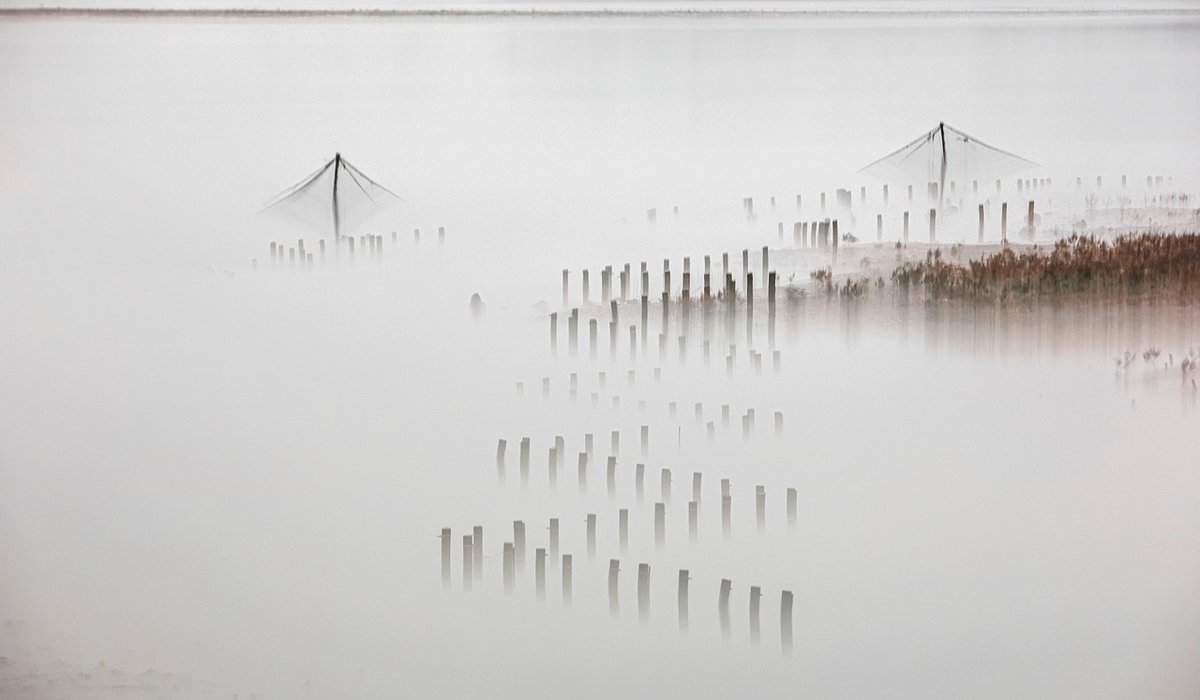
Britain's oyster heritage, and why it matters now
Oysters have been eaten around these coasts since Roman times, and by the nineteenth century they were cheap, plentiful street food from London to Belfast. Then came over-harvesting, pollution, hard winters and disease, and native stocks collapsed. The British native oyster, Ostrea edulis, is now a rare treat, with wild fisheries — the Thames Estuary, the Fal, the Firth of Forth and parts of the Irish Sea among them — tightly managed through limited days and quotas.
Most oysters you will eat in the UK today are farmed Pacific or rock oysters (Crassostrea gigas), grown along sheltered estuaries and sea lochs from Kent and Essex to Cornwall, north Wales, the west coast of Scotland and the loughs of Northern Ireland. Choosing these farmed oysters is one of the easiest, most delicious ways to enjoy seafood while easing the pressure on wild shellfish beds.
Why farmed oysters take the strain off wild stocks
Oyster farming is closer to gardening than hunting. Instead of dredging wild beds, growers buy seed — tiny spat — from hatcheries, then raise it on the shore or in the water until it reaches market size. That means far less reliance on wild-caught spat, and no systematic removal from natural reefs.
- Trestle and bag culture: oysters grown in mesh bags on intertidal trestles, turned and graded by hand through the year.
- Rope and rack grown: spat settled on ropes or shells suspended in the water column, then thinned out as it grows.
- No feed, no medication, no freshwater: farmed bivalves feed themselves on the plankton already in the sea.
- Managed density: good growers stock at levels the site can support, rather than cramming too much into a creek.
A farmed oyster is close to the lowest-impact animal protein you can put on a plate. You get the food, and the wild beds get a rest.
Small filter feeders, sizeable coastal benefits
Oysters are ecosystem engineers. They pump water across their gills, trapping plankton and fine sediment, and use the nutrients to build shell and flesh. Estimates of how much a single adult can filter vary with size, temperature and food supply, but figures well over 100 litres a day are commonly quoted for a healthy, actively feeding oyster. Multiply that by a farm's worth and you have a remarkably effective natural water-treatment system.
Clearer water lets more light reach seagrass and seaweed. The shells themselves create hard surfaces and crevices: habitat for crabs, brittlestars, worms, sponges, small fish and the tiny invertebrates that feed them. When oysters spawn, their larvae can drift and settle beyond the farm, seeding surrounding ground.
None of this excuses nutrient pollution or silt from other sources, but it makes oysters a valuable ally. Native oyster restoration programmes, often run by partnerships of growers, conservation bodies, universities and volunteers, use the same techniques and the same local expertise.
Choosing, storing and serving them well
Buying well is half the battle. Practical points to look out for:
- Ask where they came from. A good fishmonger should name the farm, the estuary and the harvest date. Labelling should show origin and any purification details.
- Know your seasons. Native oysters are traditionally eaten in months containing an "R" (September to April) because they spawn in the warmer months; farmed Pacific rock oysters are generally available all year.
- Look for closed shells. A live oyster holds its shell tightly shut and feels heavy for its size. Tap a gaping one: if it does not close, do not risk it.
- Store them cool and damp. Keep them cup-side down in the fridge under a damp cloth, never in a sealed bag or a bowl of tap water.
- Learn the grades. Rock oysters are graded by size, usually from 1 (large) down to 5 (small); a number 3 is a good all-rounder.
- Eat them soon. Oysters are at their best within a few days of harvest, ideally with nothing more than lemon or a shallot vinegar.
If you would rather not eat them raw, grilling with butter and parsley, or folding them through a fish stew, are excellent ways to use the larger grades.
Oysters, harbours and the coastal year
Oyster culture is woven into the rhythm of British coastal life. Autumn and winter festivals in Kent, Essex, Cornwall and beyond draw crowds to harbourside stalls, and the working boats, smacks and yawls that once dredged under sail are still celebrated as part of local identity. Buying an oyster is buying into a season: the first tasting, the winter months when the flesh is firm and sweet, and the spring effort of grading and thinning.
They pair beautifully, too. Dry sparkling wine, a crisp dry white, a stout or a dry cider all work. Keep the accompaniments simple so the mineral, faintly sweet flavour of the oyster comes through.
How to support small growers
The most direct thing you can do is buy from a grower. Many small farms sell at the gate, at coastal markets or through local delivery, and a growing number of pubs and restaurants are happy to tell you exactly which creek your dinner came from. Ask.
- Buy direct where you can — at the farm gate, a farmers' market or a coastal fishmonger.
- Ask restaurants to name their farm. It shows there is demand for traceable seafood.
- Return your shells to a shellfish recycling scheme where one operates, so they can be used in reef and restoration projects rather than going to landfill.
- Try other British shellfish too — mussels, clams, cockles and scallops support the same coastal economy.
Small shellfish businesses are weather-dependent, labour-intensive and often family-run. Spending a little more on a British farmed oyster keeps money circulating in coastal communities, and rewards the people looking after the water.
LEAVE A COMMENT