
A Weekend Guide to British Seaside Fishing Villages
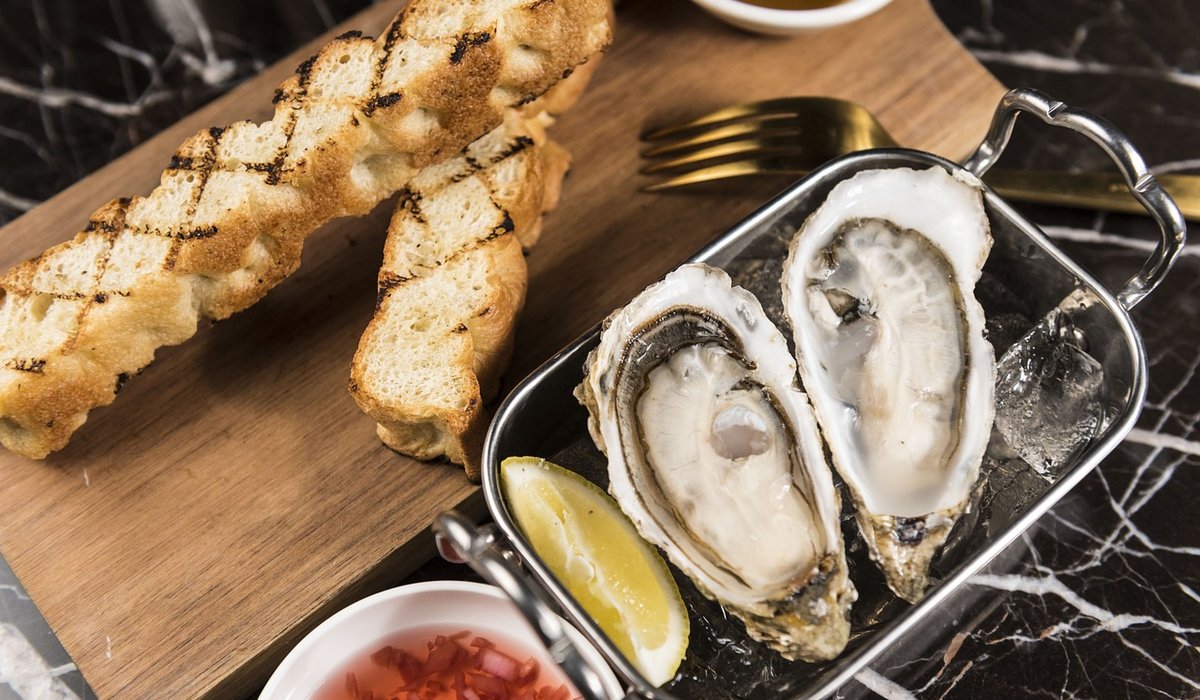
Why Oyster Stew Belongs to the British Coast
There is a particular cold that lives only on the coast in late winter. It comes off the water, gets under the collar, and refuses to leave until you have eaten something warm and slightly extravagant. Oyster stew answers that weather better than almost anything else. It sits somewhere between a soup and a chowder: cream, waxy potatoes, sweet alliums, and plump oysters slipped in at the very last minute so they swell rather than toughen.
It also suits the British shellfish calendar. Native oysters, the flat Ostrea edulis our coastal beds have produced for centuries, are traditionally eaten from September to April, and they are at their best raw with lemon and nothing else. Rock oysters, farmed widely around our coasts, are available all year and are the sensible choice for cooking. They are meatier, hold their shape in cream, and cost far less per shell. Buy them shucked if you can, or let the fishmonger do the work and hand you a tub of oysters swimming in their own liquor.
Choosing and Preparing Your Shellfish
- Allow six to eight rock oysters per person for a main course, or four for a starter.
- Live oysters should be tightly closed and heavy for their size. A gaping shell that will not shut when tapped goes in the bin.
- Ask for the oysters to be shucked and the liquor kept. Strain that liquor through a fine sieve to catch shell fragments and grit, then use it in place of some of the stock.
- If you shuck them yourself, work over a bowl on a folded cloth, find the hinge, and twist rather than lever. Keep everything cold.
- Mussels, clams or a mix of the three work beautifully. Cook them first in a splash of water until they open, then use the strained cooking liquid as your stock.
The Stew Itself
This makes enough for four generous bowls. You need a heavy pan and about forty minutes.
- 1kg waxy potatoes, peeled and cut into 2cm chunks
- 40g unsalted butter, plus a knob for finishing
- 2 onions or 4 shallots, finely sliced, plus the white of one leek
- A bay leaf and a few sprigs of thyme
- 250ml fish stock or reserved oyster liquor topped up with water
- 700ml whole milk and 200ml double cream
- 32 shucked rock oysters, liquor strained and kept
- White pepper, a pinch of mace or grated nutmeg, chives to finish
Sweat the onions and leek in the butter with a good pinch of salt for ten minutes until soft but not coloured. Add the potatoes, stock, bay and thyme, and simmer for twelve to fifteen minutes until the potatoes are just tender but still hold their edge. Pour in the milk and cream, bring it to the edge of a simmer, and hold it there. Boiling milk will catch and split, and boiling oysters will turn to rubber.
Season now with white pepper, mace and salt. Take the pan off the heat entirely, slide in the oysters, and let them poach in the residual heat for ninety seconds to two minutes. They are done when the frilly edges curl and the centres firm up. Taste, adjust, swirl in the last knob of butter, and scatter with chives. Warm the bowls first; this stew goes cold quickly.
Small Details That Decide the Bowl
- White pepper, not black. Black flecks look like grit in a pale cream base.
- Salt the base properly before the oysters go in, because you will not get another chance to stir it hard.
- If the stew looks thin, mash a few potato chunks against the side of the pan rather than adding flour.
- Never reheat it. Make what you will eat, and eat it straight away.
Regional Twists Along the Coast
Around Whitstable and the Thames Estuary, a spoonful of smoked bacon or a little diced smoked haddock in the base adds a deep, savoury note that sits well with the brininess of the oysters. On the west coast of Scotland, cooks often keep it plainer, finishing with cream, chives and a spoonful of medium oatmeal stirred in early to thicken the broth, which is a very old way of stretching a small catch. In Cornwall, a pinch of saffron in the stock gives the stew a golden colour and a faintly honeyed edge. Along Lough Foyle and the Northern Irish coast, a splash of dry cider or stout goes in with the stock, and the bowl arrives with soda bread or a wheaten loaf rather than a baguette.
Mersea Island and the Essex beds have their own tradition of serving oysters with bread and butter and a squeeze of lemon, and that simplicity is worth remembering. If your oysters are superb, resist adding too much.
What to Serve With It
Crusty bread is not optional. A sourdough or a well-baked country loaf, thickly cut, with salted butter, is the whole point of the exercise. For drinks, a dry stout or a dry cider works as well as a crisp Muscadet, Chablis or Picpoul; a pot of strong tea is a fine choice on a genuinely cold night. Follow with something sharp — lemon posset, a slice of good cheese, or simply an apple — to clear the richness. Then go back outside and let the wind do its worst.
LEAVE A COMMENT